🔻ASSISTA AO VÍDEO ABAIXO 🔻

The Next Wave of Innovation: Analyzing the Future of the U.S. Automotive Landscape (2026-2030 Outlook)
The automotive sector is currently undergoing a profound transformation, driven by technological advancements, shifting consumer preferences, and an increasing global push toward sustainability. As an industry veteran who has navigated several decades of market shifts, I can attest that the next five years—from 2026 to 2030—promise to be among the most dynamic and disruptive in recent memory. While the current focus remains heavily skewed toward electrification, the landscape is becoming increasingly stratified, with traditional internal combustion engines (ICE) coexisting with advanced hybrid systems and high-performance electric vehicles (EVs).
In the United States, the market is particularly interesting. We are seeing a bifurcation where the mainstream market is slowly but surely adopting electric options, spurred by government incentives and the widening charging infrastructure. However, within the performance segment and the utility vehicle (SUV) market, the demand for robust ICE and hybrid powertrains remains strong. This article serves as a comprehensive guide to the most anticipated vehicles set to hit U.S. dealer lots between 2026 and 2030, with a specific focus on models that are redefining segments, introducing new technologies, and fundamentally altering the competitive dynamics between established manufacturers and bold startups.
For consumers contemplating a major purchase, understanding these upcoming models is crucial for maximizing value and ensuring they make an informed financial decision. This analysis will not only highlight the engineering innovations but also explore the potential impact of these vehicles on the used car market, insurance rates, and the overall cost of ownership in the coming years.
A New Era Dawning: The 2026 and 2027 Model Year Arrivals
The immediate future of the U.S. automotive market is characterized by the introduction of highly anticipated second-generation vehicles and significant powertrain updates that bridge the gap between old and new technologies.
Alfa Romeo Stelvio: The Italian Makeover

Alfa Romeo is currently orchestrating a major overhaul of its Stelvio SUV, a model that has long been the cornerstone of its North American sales. Set to arrive in 2027, the second-generation Stelvio represents a significant philosophical shift for the brand. The current iteration, based on the aging platform shared with the Giulia, is being retired in favor of the new STLA Large architecture. This platform shift is a strategic move that not only enhances performance capabilities but also positions the compact SUV closer to mid-size territory, offering greater interior volume and cargo flexibility.
While we can expect the signature sensual Italian styling to persist, the most consequential change lies in the powertrain options. The outgoing Stelvio’s reliance on turbochargers is being supplemented with a robust hybrid system that will likely be the volume seller. For performance enthusiasts, the anticipation is focused on a potential Quadrifoglio variant, which is expected to inherit the potent Hurricane twin-turbocharged inline-six. This engine is poised to become a staple in the Stellantis portfolio, as it is also slated for inclusion in the new Dodge Charger. From a financial perspective, the hybrid option will offer a critical edge in fuel economy for daily drivers, while the performance variant will appeal to those seeking a luxurious, yet potent, driving experience—though likely at a significantly higher cost and potential insurance rates. This strategic pivot reflects a broader industry trend: utilizing electrification to achieve performance benchmarks that were previously inaccessible through traditional powertrains alone.
The Evolution of the Sports Car: Next-Generation Icons
The sports car segment is in the midst of a radical metamorphosis, with manufacturers grappling with how to balance tradition with the demands of electrification. For years, Porsche has been a beacon of performance consistency, and its decision to transition the 718 Boxster and Cayman to all-electric power in 2027 is a watershed moment for the brand.
The Porsche 718 EV: Previously known as the 718 Boxster and Cayman EV, these models represent a seismic shift from internal combustion to battery power. By adopting the same electric platform as the Taycan, Porsche is ensuring that the hallmark handling characteristics of its mid-engine sports cars will remain intact. Early indications suggest that Porsche is heavily invested in delivering a visceral driving experience, with projections pointing toward substantial horsepower figures, the development of a dynamic soundtrack, and the same balanced chassis that has defined these cars for generations. This is a critical move for the automaker, as it preserves the brand’s heritage while meeting strict emissions targets. The pricing for these models is expected to be a significant point of discussion, likely placing them firmly in the premium segment. For potential buyers, the best financial strategy might involve comparing the long-term ownership costs of the new EV models against the depreciating value of current gas-powered 718s.
The Audi TT Successor: The iconic Audi TT has reached the end of its long production run, but its spirit is alive and well in the form of the radical Concept C, which is slated to emerge as a new electric sports car by 2028. Positioned at the intersection of the defunct TT and the powerful R8, the Concept C is set to introduce a bold new design language for Audi, characterized by clean surfaces, intricate lighting elements, and a cabin centered on premium materials. The development leverages shared architecture with the upcoming Porsche 718 EVs, ensuring parity in performance and technology. Buyers will likely have the choice of a single-motor rear-wheel-drive setup or a more powerful dual-motor all-wheel-drive system. With a projected starting price approaching $100,000, this model will cater to a select audience seeking cutting-edge performance and design.
The Next Generation Chevrolet Corvette SUV: Perhaps one of the most surprising developments in the automotive industry over the last decade has been the expansion of the Corvette nameplate into the SUV segment. The Chevrolet Corvette SUV, expected to arrive sometime in the near future, marks a departure from the traditional two-seat sports car formula that has defined the Corvette for over 70 years. This bold move reflects Chevrolet’s strategy to leverage the storied performance heritage of the Corvette nameplate to launch a high-end performance SUV.
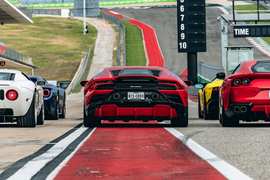
While exact specifications remain unconfirmed, industry insiders suggest the SUV will ride on GM’s Alpha platform, a lightweight and rigid architecture that underpins performance sedans like the Cadillac CT4 and CT5. This platform choice is critical, as it allows Chevrolet to maintain the dynamic handling and responsiveness expected of a Corvette. Engine options are expected to span a wide spectrum, ranging from a new turbocharged four-cylinder on the entry-level models to a supercharged 6.2-liter V-8 in the range-topping Z0-something performance variant. This engine choice is significant, as it represents the continuation of a storied lineage of high-performance engines that have become synonymous with the Corvette brand. The pricing strategy for this model is expected to be aggressive, with Chevrolet aiming to capture a share of the luxury performance SUV market previously dominated by European competitors like Porsche and BMW. For consumers in the market for a high-performance SUV, this development offers a compelling value proposition, as Chevrolet has a long history of delivering exceptional performance at competitive price points.
BMW’s Electric Future: The 3-Series Redefined
BMW is ushering in a significant chapter with the next generation of its venerable 3-Series sedan. Previewed by the visionary Vision Neue Klasse concept, this new iteration will be a watershed moment for the storied German automaker, as it will be offered in two distinct powertrain configurations: traditional internal combustion and all-electric. The electric version, known as the BMW i3, is particularly noteworthy because it will be built on an entirely new EV platform, featuring a cutting-edge 800-volt architecture.
This architectural shift allows for faster charging speeds and improved energy efficiency, key considerations for the modern electric driver. Furthermore, the BMW i3 is expected to spawn an all-electric M3, a high-performance variant that will pack a potent quad-motor powertrain, delivering instant torque and exceptional acceleration. This move represents a significant investment in electrification at the heart of BMW’s lineup, signaling a commitment to offering electric alternatives to its most popular models. For consumers, the cost of ownership for the BMW i3 is expected to be favorable due to lower fuel expenses and reduced maintenance, although the initial purchase price will likely place it at the higher end of the compact sedan segment. This dual-powertrain strategy allows BMW to cater to both the traditionalist who values the visceral experience of combustion and the forward-thinking consumer who embraces electrification without sacrificing performance.
The Muscle Car Renaissance: Rebirth of V8 Power
The American muscle car landscape is poised for a revitalization, driven by a counter-trend toward V8 power and performance. In a move that has delighted traditionalists, Dodge has announced the return of the Hemi V8 engine to the Charger, following its successful reintroduction in the Ram 1500 pickup truck. The electric Charger Daytona has failed to capture the hearts of the Dodge fanbase, and the return of the V8 is a strategic Hail Mary to regain the adoration of this core demographic.

The Dodge Charger V8: The Hemi V8 will likely be offered in 5.7-liter, 6.4-liter, and Hellcat-badged supercharged 6.2-liter iterations, with power outputs expected to remain consistent with previous generations. The Hellcat model, in particular, is anticipated to top 700 horsepower, positioning it as one of the most potent production cars on the market. The return of the Hemi V8 is a testament to the enduring appeal of American muscle, and Dodge is betting that this iconic engine will resonate with consumers seeking raw power and