



The Electrified Frontier: A Deep Dive into the Future of Transportation (2026-2030)
The automotive landscape in the United States is undergoing a seismic shift, moving away from the combustion engine and toward a fully electrified future. In an era where instant gratification is the norm, some innovations require patience—and the vehicles detailed in this comprehensive report are the epitome of that patience. Stretching from the immediate horizon of 2026 to the distant outlook of 2030, these upcoming cars, trucks, and SUVs represent the most significant transformations in automotive engineering, design, and sustainable mobility.
We are entering a period where the automotive industry is fundamentally redefining itself. The transition to electric cars is accelerating, driven by regulatory pressures and consumer demand for more efficient, technologically advanced, and environmentally conscious options. This seismic shift is not just about switching powertrains; it is about reimagining the entire vehicle as a connected, sustainable component of our transportation ecosystem. For consumers, understanding these shifts is crucial for making informed financial decisions regarding their next vehicle purchase, car loans, and auto insurance costs.
The Power Shift: Why Electricity Dominates the Conversation
The driving force behind this revolution is the widespread adoption of battery electric vehicles (BEVs) and plug-in hybrid electric vehicles (PHEVs). Governments worldwide are setting ambitious targets for carbon neutrality, pushing automakers to phase out fossil-fuel-based engines. In the U.S., federal and state initiatives are increasingly incentivizing the purchase of new electric vehicles, while simultaneously mandating stricter emissions standards that make conventional gasoline-powered cars less competitive.
This regulatory push creates a compelling business case for manufacturers to invest heavily in electric vehicle technology, resulting in a rapidly expanding lineup of all-electric cars, EV SUVs, and electric trucks. The market is responding with a diverse range of options, from accessible affordable electric cars to high-performance electric sports cars.
However, this transition is not without its challenges. The cost of electric vehicles remains a primary concern for many consumers, despite growing availability of electric car incentives. Additionally, concerns about EV charging infrastructure, battery life, and electric vehicle maintenance continue to shape consumer behavior. These are critical factors for individuals considering a move to electric mobility, as they directly impact the cost to own and the long-term financial viability of their car financing choices.
The Future of Mobility: What This Means for You
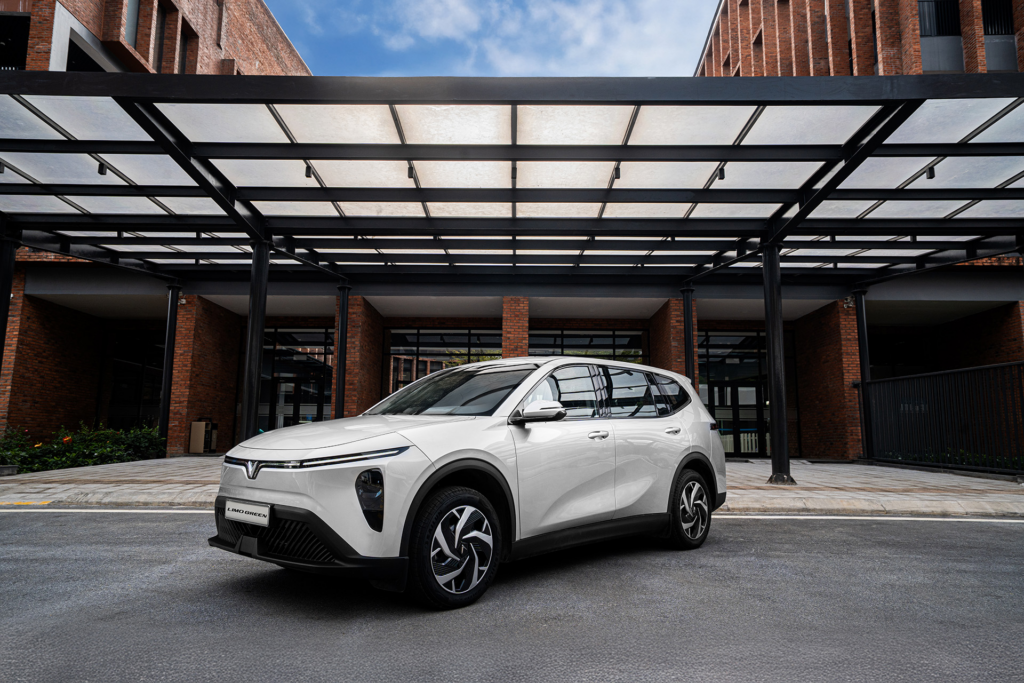
As an industry expert with over a decade of experience in the automotive sector, I have witnessed the automotive industry evolve from internal combustion engines to the cusp of the electric age. The changes we are seeing now—the rise of autonomous driving, the integration of AI in cars, and the expansion of smart cars—are not just technological gimmicks; they are fundamentally changing how we interact with vehicles. They impact our safety, our convenience, and, most importantly, our finances.
When considering a new car, the decision between a gas car and an electric car is often viewed as a binary choice. However, the reality is far more nuanced. We are seeing a proliferation of hybrid cars, plug-in hybrid cars, and mild-hybrid vehicles that offer a bridge between traditional gasoline engines and full electric propulsion. Understanding the long-term cost of ownership, including potential fuel savings and resale value, is critical for any buyer.
New car prices continue to be a major deciding factor, especially in the current economic climate. The increasing demand for electric SUVs and electric trucks has driven up EV costs, making it essential for consumers to explore electric car financing options, EV tax credits, and EV grants to make the transition financially feasible. For those interested in luxury electric cars, the price range is significantly higher, requiring careful consideration of electric car loan options and insurance costs.
For those considering a used car, the landscape is also evolving. As electric car technology advances, the resale value of older models may deprestrate more rapidly. Therefore, understanding the used electric car market and the long-term depreciation curves is vital for making sound investment decisions.
The Path to Ownership: Should You Buy, Wait, or Rent/Invest?
When it comes to buying a car, the “should I buy, wait, or rent/invest” dilemma is complex, especially in the context of future cars. Here are the professional insights to guide your decision.
Buying Now (with caution): If you need a vehicle immediately and are focused on saving money on car loans, you should look at value electric cars with solid range and charging infrastructure. Consider options with favorable interest rates and leasing deals for new electric vehicles. However, be prepared for faster technology depreciation as the market rapidly evolves. For luxury buyers, exploring high-end electric cars with advanced safety features and premium interiors is a strong option.
Waiting for the Right Price: If you are looking for the best time to buy a car, waiting is a viable strategy. The used car market is undergoing a transformation as more affordable electric cars enter the used market. Waiting for a newer model with advanced features or a lower price tag can save you significant money. Consider new car deals and manufacturer rebates as the year progresses.
Renting vs. Owning: For those prioritizing flexibility or experimenting with electric vehicle ownership, car rentals and car leasing are excellent options. EV leasing can significantly lower monthly payments, making it easier to drive a new electric car without the long-term financial commitment of ownership. Electric vehicle subscription services are also becoming increasingly popular for those who prefer a more flexible, pay-as-you-go model.
The Best Financial Strategies for Future Cars (2026)
In the current economic climate, consumers looking at future cars must prioritize financial strategies that balance innovation with affordability. Here are the top strategies:
Maximize EV Incentives: Take full advantage of federal EV tax credits and state incentives. These can significantly reduce the upfront cost to buy an electric car, often making new electric vehicles more competitive with gasoline models.
Compare Car Loans and Leasing Deals: Don’t settle for the first car financing offer. Compare car loan rates and EV leasing options from multiple lenders. Leasing can offer lower monthly payments and flexibility, which is ideal when future cars are constantly evolving.
Explore EV Tax Credits for Used Cars: The Inflation Reduction Act (IRA) offers tax credits for used electric vehicles, making older EVs more affordable.
Research Insurance Costs: Electric car insurance can be more expensive. Always get an insurance quote before buying to factor in the total cost of ownership.
Consider Trade-Ins: Trading in your old vehicle can provide a substantial down payment, reducing the amount you need to finance and lowering your monthly car payments.
Cost Breakdown and Pricing Impact
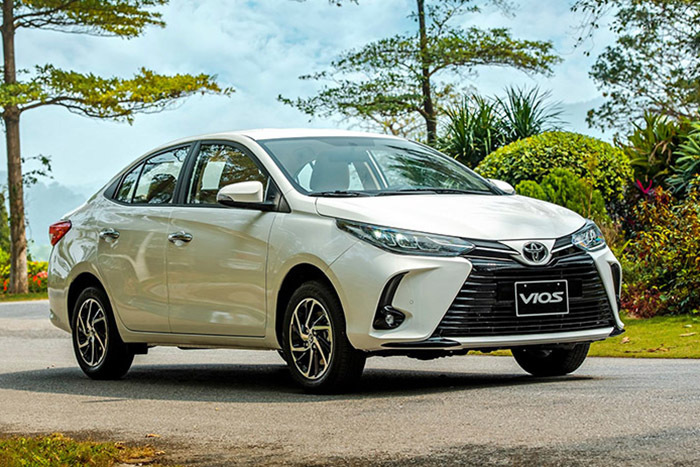
The cost of electric cars remains the primary barrier to widespread adoption. However, as production costs decrease and competition increases, we anticipate a downward pressure on car prices. For consumers, this means that the cost to buy an EV will become more accessible in the coming years.
Small EVs: Expect affordable electric cars to stay under $40,000, making them competitive with their gasoline counterparts.
Performance EVs: High-performance electric sports cars and luxury EVs will continue to be expensive, often exceeding $100,000.
Mistakes to Avoid That Could Cost You Money
When investing in future cars, consumers often make mistakes that can lead to significant financial losses. Here are some key pitfalls to avoid:
Ignoring Total Cost of Ownership: Focusing solely on the purchase price without considering fuel savings, insurance costs, maintenance, and resale value can lead to long-term financial strain.
Not Researching Incentives: Missing out on EV tax credits and state incentives can cost you thousands of dollars in potential savings.
Skipping Insurance Quotes: Electric car insurance is a significant part of the ownership cost. Failing to get quotes before buying can lead to unexpected expenses.
Overpaying for Services: EV maintenance and EV charging can be expensive. Researching the cost of electric vehicle services and finding reliable service providers is crucial.
The Electrified Frontier: A Deep Dive into the Future of Transportation (2026-2030)
The automotive landscape in the United States is undergoing a seismic shift, moving away from the combustion engine and toward a fully electrified future. In an era where instant gratification is the norm, some innovations require patience—and the vehicles detailed in this comprehensive report are the epitome of that patience. Stretching from the immediate horizon of 2026 to the distant outlook of 2030, these upcoming cars, trucks, and SUVs represent the most significant transformations in automotive engineering, design, and sustainable mobility.
We are entering a period where the automotive industry is fundamentally redefining itself. The transition to electric cars is accelerating, driven by regulatory pressures and consumer demand for more efficient, technologically advanced, and environmentally conscious options. This seismic shift is not just about switching powertrains; it is about reimagining the entire vehicle